Protecting the endangered rhinos of Botswana
Khama, Botswana 4 projects of 2 wks from May to December
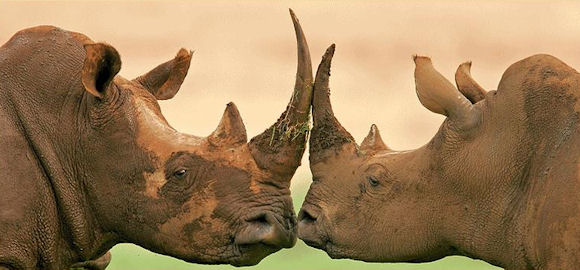
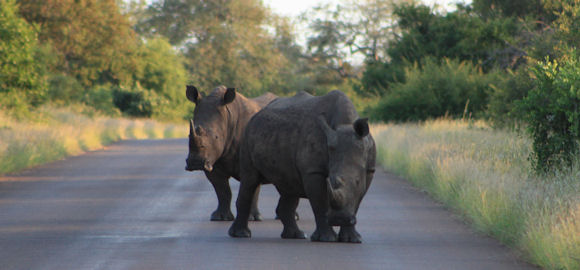
Volunteer project: Khama Rhino Sanctuary is located around 25 km north of Serowe and 320 km north-west of Gaborone, the capital city of the Republic of Botswana. It is defined by the Kalahari Desert sands and quite a range of vegetation. Khama Rhino Sanctuary is a conservation park for endangered white and black rhinos. It also hosts a wide range of other animals including kudus, impalas, gemsboks, giraffes, and a variety of small animals and birds.
Due to the severe threat posed by poaching, rhino populations are under increasing pressure, and Khama has become a critical safe haven for their survival. To support and protect this population, the park has doubled its area and can now accommodate over 80 rhinos. Protection is provided by trained game rangers and military personnel forming part of an active anti-poaching unit.
Volunteers will help maintain footpaths, park fences, firebreaks, and trails, while also assisting with the day-to-day maintenance and operations of the park. They may also be asked to assist with additional tasks as deemed necessary at the time.
Volunteers can enjoy day and evening game drives at the nature reserve, as well as educational lectures offered on selected days. They may also have the opportunity to join rangers during wildlife counting exercises and patrols along the park fences.
Orientation: An orientation for the volunteers will take place in Mochudi one day before the project starts.
Language: English
Leisure time: Places of interest to visit around are the Serowe museum, the Royal Cemetery, Makgadikgadi Pans. Khama Rhino Sanctuary is located along the way to Moremi game reserve.
Accommodation: Khama Rhino Sanctuary provides accommodation at designated camping sites. Volunteers are required to bring their own tents and sleeping bags. Internet access, supermarkets, and banking facilities are available in Serowe town, which is a 20-minute drive from the sanctuary.
Location: Khama Rhino Sanctuary, Paje, Central District
Age range: 18 and over
Extra fee: 250 USD
The extra fee is intended to support the local host of the project who does not have sufficient funds. It is due upon arrival.
All available dates for this project:
May 11 - May 22, 2026
July 13 - July 24, 2026
September 7 - September 18, 2026
November 30 - December 11, 2026
Protecting the Sea Turtles in Guayabitos
Rincon de Guayabitos, Nayarit, Mexico 10 projects of 2 wks from August to February
Volunteer project: Experience the paradise and protect the turtles at the beach! We have been organizing this volunteer project regularly in Rincon de Guayabitos, Nayarit since 2014. The aim of the project is to protect
the sea turtles with the help of volunteers who will be cooperating with a team of biologists. Up to now, the project has been quite successful and has reached extraordinary results. Participating in marine turtle conservation is a great opportunity to discover the rather charming life of sea turtles.
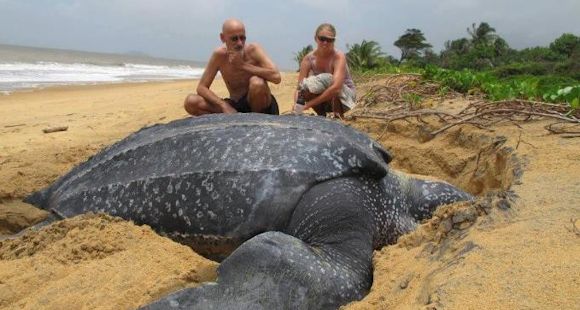
There are five species of turtles arriving to this area: Negra (Black Turtle), Golfina (Olive Ridley Turtle), Laud (Leatherback Turtle), Carey (Hawksbill Turtle) and more! The size of the turtles varies from 1 meter to 2.4 meters long and the weight from 40 kg to 500 kg. Every turtle makes a nest of around 150 eggs.
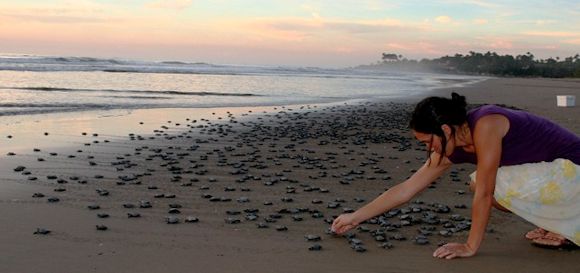
Based on the time of the year, the volunteers will be working during the day or at night in the months of August and September from 8:00pm to 8:00am. Depending on the number of turtles that come ashore, two teams might be formed among the volunteers. This way, each group will be taking turns, working one night and taking the next night off for recovery. In addition, the weekends are also spared for resting. The main work consists in patrolling the beaches at night. The goal is to find the adult turtles and collect their eggs, to move the eggs to a protected place called Vivero and release newborn baby turtles into the sea when they hatch. Activities must be carried out at night since turtles do not go out of the ocean during the day (because of natural predators, it is safer for turtles to get out of the ocean in the dark). The group will also take part in the reconstruction of some of the most important turtle camps in the region.
Please take into account that the schedule is subject to change depending on the weather conditions and the condition of the sea turtles. It is also possible to work with crocodiles in case there is no work with turtles - this can happen mostly in the months of January and February. The coordinator or the group leader will be informing you regarding your work schedule.
If you love nature, want to have a great time by beautiful beaches, and at the same time witness the magical spectacle of natural miracles that has been reoccurring for millions of years... then this project is for you!
Special requirements: This project is open to everyone who is sensible and open minded. It is crucial for the participants to be respectful, open to learning and able to appreciate a different culture.
Language: English
Leisure time: Volunteers will have free time during the day to do many fun and interesting activities and to discover many marvelous places around. The volunteers can learn to surf, go fishing, visit local towns, get to know and enjoy the local culture. Rincón de Guayabitos is well connected by bus to localities and cities around.
Volunteers will have the opportunity to visit solitary beaches and towns with an extraordinary natural richness. Among those places are Flamingos, with its three beautiful lakes; Bucerias, with a long beach and cobblestone streets; La Cruz de Huanacaxtle, a picturesque fishing town; Destiladeras, a paradise for surfers. Volunteers will have the chance to visit the Islas Marietas - one of the most beautiful places on Earth, or travel to Sayulita - a bohemian town ideal for camping. The beaches of Rincon de Guayabitos with crystal-clear waters and calm waves resemble a large swimming pool. Nearby, participants will find the pre-Hispanic sanctuary of Altavista and the semi-virgin beach named Chacala, the perfect site to be amazed by nature.
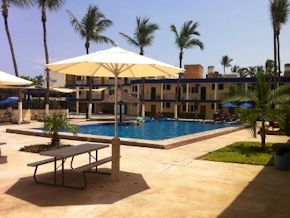
Accommodation: Volunteers will be staying in shared rooms.
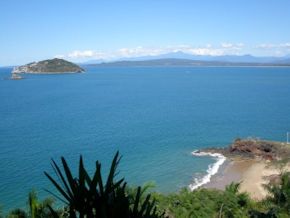
Location: Rincon de Guayabitos, also known as Guayabitos, is a beach town located in the astonishing Sierra Madre Occidental, in the state of Nayarit and bathed by the waters of the Pacific Ocean. It is a popular tourist destination due to its proximity to the cities of Tepic, Guadalajara and Puerto Vallarta.
Nestled in the imposing Sierra Madre Occidental, and washed by the waters of the Pacific Ocean, Riviera Nayarit is emerging as one of the most attractive and magic destinations of Mexico. The area extends approximately 300 kilometers along the coast, backed by mountainous jungle and facing coastal islands. There is plenty of remote backcountry for those wanting to see a more rustic side of rural Mexico. Banderas Bay, on the southern section of the Riviera Nayarit, is famous for being the destination spot of thousands of humpback whales that offer an unmatched spectacle. In addition, Puerto Vallarta is famous for its long seafront walkway and its vibrant nightlife. The Huichol Indians are the most famous ethnic group within the region. They are characterized by their eye-catching clothing, hats adorned with feathers and their colorful handcrafts, such as masks and animal figurines made of beads.
Nearest bus station: La Peñita de Jaltemba, Nayarit
Nearest airports: Puerto Vallarta International Airport Licenciado Gustavo Diaz Ordaz, Mexico City International Airport, Guadalajara International Airport
Age range: 18 and over
Extra fee: 435 Euro
The extra fee is intended to support the local host of the project who does not have sufficient funds. It is due upon arrival.
All available dates for this project:
August 13 - August 25, 2025
August 27 - September 8, 2025
September 10 - September 22, 2025
September 24 - October 6, 2025
October 8 - October 20, 2025
October 22 - November 3, 2025
November 5 - November 17, 2025
November 19 - December 1, 2025
January 7 - January 19, 2026
January 21 - February 2, 2026
Animal rescue program at Morona Santiago Zoo
Morona Santiago, Ecuador 4 weeks - 12 months
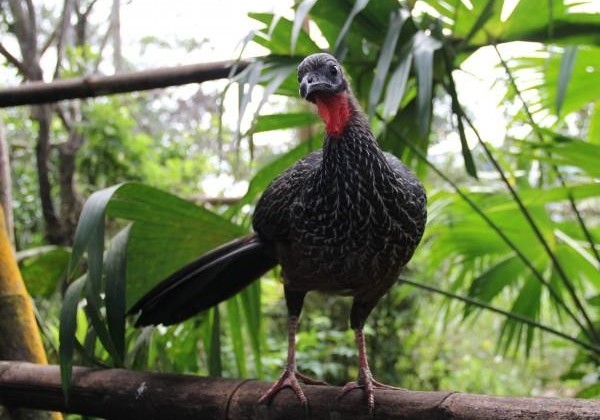
Volunteer project: In this project, volunteers will support a little zoo, located near Macas in Morona Santiago in the Amazon region. The zoo started in early 2006 as a "rescue center" for wild species to respond to the inadequate treatment of these animals who were hunted and sold to citizens as pets, were hold captive in confined spaces with inadequate diet, hygiene, etc. That was the reason to create the center to rescue mammals, reptiles, birds, etc. We started with the rescue of a tapir (Tapirus terrestris). In April of 2006 a 7-month old male jaguar (Panthera onca) was brought from San José de Morona. Other animals were brought to the Center by the Ministry of Environment or individuals. This led to the need of a larger area where to build dens for each animal and provide the right habitat.
We need volunteers to ameliorate the difficult economic situation of the zoo due to the lack of involvement of local institutions and the government. If you want to help us feed the animals, care for them and learn about them, you are welcome to this project.
The activities carried out at the zoo are: Preparation of food for the animals; Washing and chopping fruit; Placing containers for animal feed; Cleaning dens; Weeding and maintaining the dens; Composting organic wastes; Fertilizing ornamental, medicinal and fruit plants that are part of the recreational area; Placing signs and maintaining the ecological trail; Guidance for visitors and tourists.
Language: English / Spanish
Duration of the project: The project is running all year round. Minimum commitment required is 4 weeks, up to 12 months.
Accommodation: Accommodation is provided in the project house.
Location: The project takes place in the head of the Amazon Basin, in the Province of Morona Santiago, near Macas, the capital of the province.
Age range: 18 and over
Participation fee: $690
Extra fee: $500 US for 4 weeks
The extra fee is intended to support the local host of the project who does not have sufficient funds. It is due upon arrival.
Support the operation and conservation efforts of the Azuay animal shelter
Azuay, Ecuador 4 weeks - 12 months
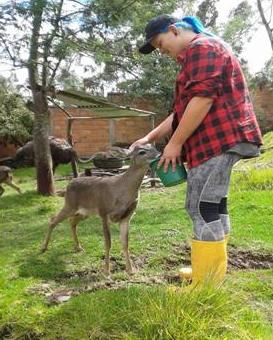 Volunteer project: The animal shelter is located in the Province of Azuay and it has about 600 animals. We are looking for volunteers who have interest and motivation to learn about the various animals and plants, and good will to help the animals and the staff.
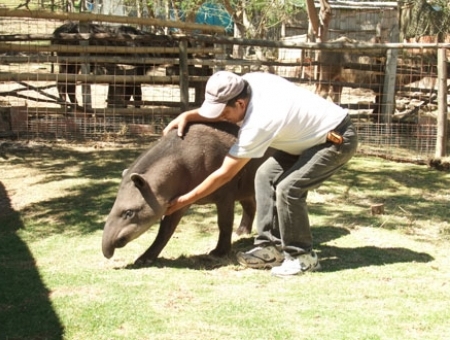
The animal shelter has ocelots, penguins, blue footed boobies, tapir, buffalo, deer, ostriches, yamalas (small deer) cuchuchos, variety of birds, alligators, peacocks, turtles, etc. Initially there were just 5 deer and a capuchin monkey, but the number of animals increased as people donated wild animals they used to keep in their homes. The shelter only receives donated animals; it never buys animals as the sale or purchase of wild animals is prohibited in Ecuador.
The project activities will be coordinated by the staff of the animal shelter. The volunteers will be involved in the work of the different departments: Education; Animal and plant management; Research and conservation; Maintenance and construction.
Volunteers' tasks include: Preparation of food for the animals; Washing and chopping fruit; Placing containers for animal feed; Cleaning dens; Weeding and maintaining the dens; Composting organic wastes; Fertilizing ornamental, medicinal and fruit plants that are part of the recreational area; Placing signs and maintaining the ecological trail; Guiding visitors and tourists.
Language: English / Spanish
Duration of the project: The project is running all year round. Minimum commitment required is 4 weeks, up to 12 months.
Accommodation: Accommodation is provided in a modest volunteer house near the zoo.
Location: Province of Azuay, near Cuenca, the capital city. Cuenca is the most beautiful city of Ecuador, with all public services.
Age range: 18 and over
Participation fee: $690
Extra fee: $500 US for 4 weeks
The extra fee is intended to support the local host of the project who does not have sufficient funds. It is due upon arrival.