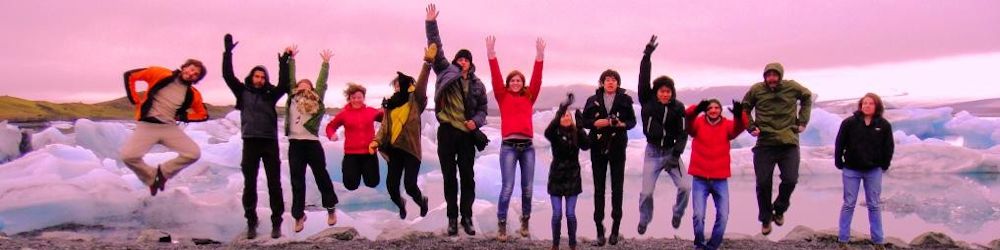
Environmental action and awareness program
Selfoss 12 projects from June to September
Volunteer project: This camp is part of our ongoing efforts to raise awareness, promote engagement in environmental issues and to support sustainability, organic and permaculture farming, social inclusion, education and hands-on actions in the field. Volunteers will gain insights into local and global challenges through non-formal educational activities such as hands-on work, visits, discussions, and workshops.
Volunteers have the opportunity to participate in different projects in collaboration with Landvernd (the Icelandic Environmental Organization), the EcoVillage at Sólheimar, the Icelandic Ministry for Environment and Natural Resources, Umhverfisstofnun (the Icelandic Environmental Agency) and Blái Herinn (The Blue Army).
The volunteers will take on a variety of activities, depending on the weather conditions and the needs of our partners including working in the forestry section and vegetable greenhouses in the EcoVillage, participating in a nationwide project to raise awareness of ocean pollution and plastic waste, as well as engaging in hands-on cleanup efforts in the area, allowing them to make a direct impact!
The project is based in an environmental education centre, which offers a range of activities to connect people with nature, such as community gardens, wildlife workshops, school programs, and hikes. As part of the project, volunteers will help maintain the center through tasks like gardening, renovating the house and other projects such as removing old fences to protect wildlife, marking walking paths, and potentially do forestry work like trimming or planting trees.
This camp combines learning, sharing, hands-on work and fun. No previous experience is needed. Volunteers should be prepared to share environmental issues from their home countries and be ready to spend time outdoors. Volunteers should be ready to adapt and be flexible with the work and free-time schedule.
Language: English
Leisure time: Additional excursions (e.g. Golden Circle, the South Shore, Reykjanes Peninsula or a day-trip to the city of Reykjavik) can be arranged at discount fares depending on time availability, weather conditions, and the number of volunteers interested.
Accommodation: The volunteers stay in an old farm which has been transformed into an environmental education centre. The facilities are basic with an equipped kitchen, dining and living room, bathroom, shower and a washing machine. Volunteers sleep in shared rooms, with up to 6 people per room. Please note, the food provided is vegetarian.
Location: The project is located an hour drive south-east from Reykjavík. The house serves as an environmental education centre and sits under Ingólfsfjall, The Mountain of Ingólfur, with a view of Eyjafjallajökull where the volcanic eruptions began in March and April 2010.
The place is registered as natural Icelandic heritage; the nature, vegetation and birdlife is rich in variety and quantity. The volunteers can enjoy outdoor activities in a peaceful and beautiful location with a small stream and a pond nearby. Hiking trails with maps about cultural heritage can be found throughout the area, which is a popular attraction among foreign and local visitors.
The nearest town, Selfoss, only 10 minutes-drive away, with 6500 inhabitants, is a centre of commerce and small industries where you can find a geothermal swimming pool, shops, museums, cafés and bars.
Terminal: Closest international Airport: Keflavík/Reykjavík (KEF). Bus station: Central Reykjavík (BSÍ).
Age range: 18 and over
Extra fee: 350 Euro for the projects until June 13; 400 Euro for the projects from June 14 to July 1; 450 Euro for the projects after July 2;
The fee includes a trip to the Hot River area in Reykjadalur.
The extra fee is intended to support the local host of the project. It can either be transferred in advance via bank transfer, or paid in cash on arrival.
All available dates for this project:
June 5 - June 13, 2026
June 14 - June 22, 2026
June 23 - July 1, 2026
July 2 - July 10, 2026
July 11 - July 19, 2026
July 20 - July 28, 2026
July 29 - August 6, 2026
August 7 - August 15, 2026
August 16 - August 24, 2026
August 25 - September 2, 2026
September 3 - September 11, 2026
September 12 - September 20, 2026
Teen photo marathon in Iceland
Reykjavik 12 projects from June to September
Volunteer project: This is the 19th year (since 2008) that series of International Photo marathons are organized! Throughout the year, participants from all over the world come to Iceland for an immersive photography-focused learning camp. The coordinators help the participants to develop their unique photographic skills through workshops and feedback sessions on technical settings, compositional considerations, as well as to create conceptual frameworks that highlight each participant's individual style.
Participants will have time to put the theory about photography into practice while exploring the city. At the end of the camp, the best photographs from each participant will be selected for an online exhibition.
While learning about photography, the participants have the opportunity to explore Icelandic culture through active participation: capturing it, engaging with it, and showcasing their work throughout the camp. One of our goals is to empower young people to use photography to highlight environmental and cultural subjects and issues.
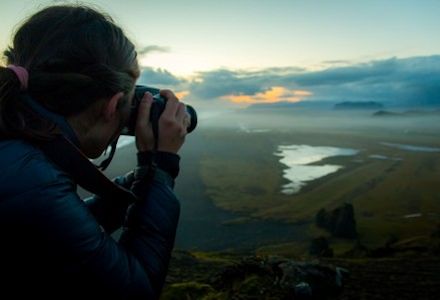
Participants should be ready to spend time outdoors walking medium to long distances during activities and working within a flexible schedule. They will be photographing in their free time outside of workshop hours with images to be discussed at group feedback sessions. Participants should bring their own digital cameras, lenses, tripods and laptops if possible.
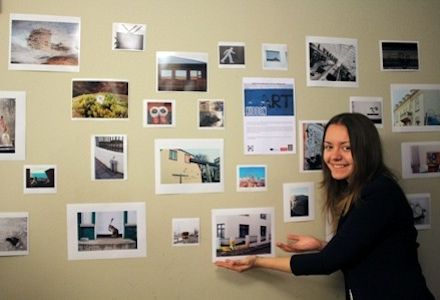
This project is open to participants aged 16 to 20. The program combines learning, sharing, getting to know Iceland and its culture, and having fun while exploring the city and some of the most stunning natural attractions in the Golden Circle and the Hot River hike excursions. We will visit spectacular waterfalls, geysers, impressive coastline, a volcano crater, the Thingvellir National Park and much more.
Please note that this project is a learning/sharing camp and not a regular workcamp; it has a smaller work part and emphasizes the personal learning process over the community impact. We may be able to organize some outdoor voluntary work, but it depends on our partners and the weather conditions.
Language: English
Leisure time: Additional excursions (e.g. Hot River Hike or the South Shore) can be arranged at discount fares depending on time availability, weather conditions, and the number of participants interested in joining them.
Accommodation: The participants will stay in a house in Reykjavík. The facilities are basic with an equipped kitchen, dining and living room, bathrooms, showers and a washing machine. As participants sleep in shared rooms with up to 6 people, everyone is expected to behave considerately. Please note, the food provided is vegetarian.
Location: Reykjavik is a dynamic, modern city which lives in harmony with nature, using renewable energy sources. The world’s northernmost capital bridges the Atlantic between Europe and North America. Reykjavík is spread across a peninsula with a panoramic view of the mountains and the Atlantic. It is an international city with a lively cosmopolitan cultural scene surrounded by beautiful nature.
The projects in June and July happen around the summer solstice, when the sun hardly sets and the nights are almost as bright as the days. The bright nights are magical and staying awake enjoying the beautiful surroundings is a unique experience.
Terminal: Closest international Airport: Keflavík/Reykjavík (KEF). Bus station: Central Reykjavík (BSÍ).
Age range: 16 - 20 years old
Extra fee: 550 Euro for the project from June 5; 600 Euro for the project from June 14; 650 Euro for the projects after June 23;
The fee includes transportation from the meeting point to the project site (on the first day), as well as the Golden Circle and Reykjanes excursions.
The extra fee is intended to support the local host of the project and needs to be transferred no later than one month before the start of the project.
All available dates for this project:
June 5 - June 13, 2026
June 14 - June 22, 2026
June 23 - July 1, 2026
July 2 - July 10, 2026
July 11 - July 19, 2026
July 20 - July 28, 2026
July 29 - August 6, 2026
August 7 - August 15, 2026
August 16 - August 24, 2026
August 25 - September 2, 2026
September 3 - September 11, 2026
September 12 - September 20, 2026
Renovation and maintenance of bike trails and ski slopes
Bláfjöll 2 projects in June and July
Volunteer project: The volunteers will support the Reykjavík Municipality in the main outdoor skiing recreational areas of the capital region, at Bláfjöll (Blue Mountains). The main tasks focus on maintenance and preparation of the area for the summer and the next ski season. This includes maintaining slopes and trails by raking and scraping, general cleaning of the mountain areas, and collecting trash, debris, and natural waste.
The municipality and several sports associations run lodges and mountain huts there and they may also need some renovation jobs, such as painting and/or cleaning. In addition, volunteers may assist with the maintenance of a local Bike Park and surrounding outdoor areas, including cleaning slopes and green areas, mowing grass, repairing and improving walking and biking paths.
The work is hands-on, physically demanding, and carried out outdoors, often on uneven terrain. Volunteers should be motivated to work in raw and isolated mountain landscapes and be prepared for changing Icelandic weather. No previous experience is required; instructions and tools are provided. Flexibility, good physical condition, and a positive team spirit are essential, as tasks and schedules may change due to weather.
Volunteers will gain practical experience in outdoor and environmental maintenance, will contribute to community recreational areas, will work in an international team, and spend time in nature while supporting local projects.
The project takes place around the summer solstice, when the sun barely sets and nights are almost as bright as the days. The bright nights are magical and staying awake enjoying the surroundings is a unique and memorable experience.
Language: English
Leisure time: Free time activities in the surroundings are mostly hiking and trekking. Some excursions (Golden Circle, South Shore, Hot River Hike) can be arranged at discount fares for the participants during the weekend.
Accommodation: The volunteers will stay in one of the lodges in the mountains and sleep in a shared dormitory. Please bring your own sleeping bag. The facilities are basic with an equipped kitchen, dining and living room, bathroom, shower and a washing machine. Please note, the food provided is vegetarian.
Location: The skiing areas of Bláfjöll are about 40 minutes drive from the city. The location is remote and isolated, even though it is still close to the city. The Blue Mountain range is situated near the Ring Road and stretches from the capital area to the south-western lowlands, the highest mountain reaching 600 m.
The area has great slopes for downhill skiing and snowboarding as well as tracks for cross-country skiing. The area is excellent for recreation, not only for alpine and cross country skiing, but for other outdoor activities as well such as hiking and mountain biking. Nature lovers are certain to find something to their liking, but it is important to be careful crossing the rugged lava fields because of the numerous caves underneath.
Terminal: Closest international Airport: Keflavík/Reykjavík (KEF). Bus station: Central Reykjavík (BSÍ).
Age range: 18 and over
Extra fee: 300 Euro
The fee includes transportation from Reykjavík to the project site and back (on the first and last day of the project).
The extra fee is intended to support the local host of the project. It can either be transferred in advance via bank transfer, or paid in cash on arrival.
All available dates for this project:
June 14 - June 24, 2026
June 24 - July 5, 2026
Trash cleanup in Reykjavik
Reykjavik 11 projects from June to September
Volunteer project: The Trash Cleanup in Reykjavik is part of a series of camps dedicated to the cause of coastline cleaning, organised in cooperation with different partners in the capital area of Iceland.
The project allows participants to learn about global and local environmental issues through non-formal activities such as workshops, discussions, presentations and visits, as well as to contribute directly to the environmental protection by joining outdoor cleanup tasks. These clean-up tasks may be arranged in partnership with different organisations. We also aim to involve the local community, so some of our events may be open to the public. We hope participants will learn how to plan and carry out their own trash cleaning projects back home. This project is based on similar activities around the world, where outstanding results have been achieved with the help of volunteers.
One of the two options below is also included in this project as a hands-on volunteering activity day:
1. A day trip combining a visit to the Hellisheiði geothermal power plant, a trash collection in the area; and the Hot River hike, a hike up a valley filled with hot springs where one can bathe.
2. A day trip to the Reykjanes peninsula, combined with a coastal cleanup in the area.
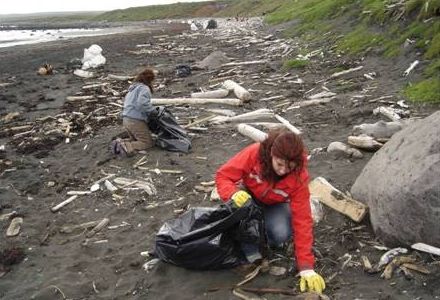
Please note that the activities are subject to weather conditions and the availability of our partners.
The project combines learning, sharing, hands-on work and fun. No previous experience is needed. Volunteers should prepare to share environmental issues from their countries and be ready to spend time outdoors, walking medium to long distances during the cleanups, as well as during other activities such as sightseeing. As part of the project happens outdoors, volunteers should be ready to adapt and be flexible with the work and free-time schedule. Depending on the weather, we may not be able to perform some of the activities as planned.
Language: English
Leisure time: Additional excursions (e.g. Golden Circle or the South Shore) can be arranged at discount fares depending on time availability, weather conditions, and the number of participants interested in joining them.
Accommodation: Participants will stay in a house in Reykjavík. The facilities are basic with an equipped kitchen, dining and living room, bathrooms, showers and a washing machine. Everyone is expected to show consideration for their companions. Accommodation is in shared rooms, with up to 6 people per room. Please note, the food provided will be vegetarian.
Location: Reykjavik is a dynamic, modern city which lives in harmony with nature, using renewable energy sources - geothermal- and hydropower. The world’s northernmost capital bridges the Atlantic between Europe and North America. Reykjavík is spread across a peninsula with a panoramic view of the mountains and the Atlantic. It is an international city with a lively cosmopolitan cultural scene surrounded by beautiful nature.
Terminal: Closest international Airport: Keflavík/Reykjavík (KEF). Bus station: Central Reykjavík (BSÍ).
Age range: 18 and over
Extra fee: 400 Euro for the projects until July 1; 450 Euro for the projects after July 2;
The fee includes transportation from the meeting point to the project site (on the first day), activities available, and one trip combined with the trash collection activity (Hot River or Reykjanes).
The extra fee is intended to support the local host of the project. It can either be transferred in advance via bank transfer, or paid in cash on arrival.
All available dates for this project:
June 14 - June 22, 2026
June 23 - July 1, 2026
July 2 - July 10, 2026
July 11 - July 19, 2026
July 20 - July 28, 2026
July 29 - August 6, 2026
August 7 - August 15, 2026
August 16 - August 24, 2026
August 25 - September 2, 2026
September 3 - September 11, 2026
September 12 - September 20, 2026
Photography and environment in Iceland
Reykjavik 4 projects from April to June
Volunteer project: In this project, participants can learn more about and share their passion for global and local environmental issues, as well as photography. If you are interested in topics such as climate change, waste management and sustainability, and you also love taking photos, then this project is for you!
While developing artistic and technical photography skills, you will be focusing on environmental and sustainability issues through non-formal activities such as workshops, discussions, presentations and visits facilitated by the project coordinators. One of our aims is to help create more environmentally aware consumers and travellers!
You will visit local projects focused on the environment and conservation. These may include hands-on activities or guided visits, such as outdoor cleanup tasks, a local fauna and/or flora exhibition or an Icelandic culture museum. Some of these activities are dependent on weather conditions, as well as the availability of our partners.
You will also have time to put the theory about photography into practice while exploring the city. At the end of the project, the best photographs from each participant are selected for an online exhibition. Participants should bring their own digital cameras, lenses, tripods and laptops if possible.
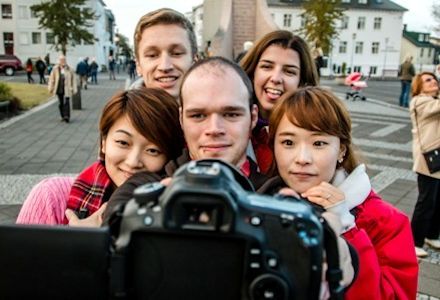
The program combines learning, sharing and hands-on activities. On top of that you get to know Iceland and its culture while having fun, exploring the city, its attractions and stunning nature, which you can experience in possible excursions. Participants should prepare to share environmental issues from their countries and should be ready to spend time outdoors walking medium distances (up to 1.5 hours) during activities and sightseeing.
Please note that this project is a learning/sharing camp and not a standard workcamp. This project has a smaller work part and puts a bigger emphasis on the personal learning process than on the community impact.
A day trip to the Hot River area, combined with a cleanup or work with an environmental project in the area, is included for the participants in this camp.
Language: English
Leisure time: Some excursions (e.g. to the Golden Circle and/or South Shore) can be arranged at discount fares.
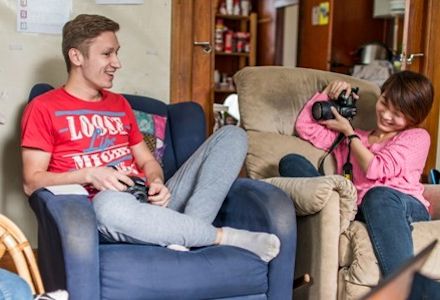
Accommodation: The group will stay in a house in Reykjavík. The facilities are basic with an equipped kitchen, dining and living room, bathrooms, showers and a washing machine. Participants sleep in shared rooms with up to 6 people, so everyone is expected to behave considerately. Please note, the food provided is vegetarian.
Location: Reykjavik is a dynamic, modern city which lives in harmony with nature, using renewable energy sources. The world’s northernmost capital bridges the Atlantic between Europe and North America. Reykjavík is spread across a peninsula with a panoramic view of the mountains and the Atlantic. It is an international city with a lively cosmopolitan cultural scene surrounded by beautiful nature.
Terminal: Keflavík International Airport (KEF)
Age range: 18 and over
Extra fee: 400 Euro
The fee includes transportation from the meeting point to the project site (on the first day) and the Hot River Hike trip.
The extra fee is intended to support the local host of the project. It can either be transferred in advance via bank transfer, or paid in cash on arrival.
All available dates for this project:
April 26 - May 5, 2026
May 6 - May 15, 2026
May 16 - May 25, 2026
May 26 - June 4, 2026